

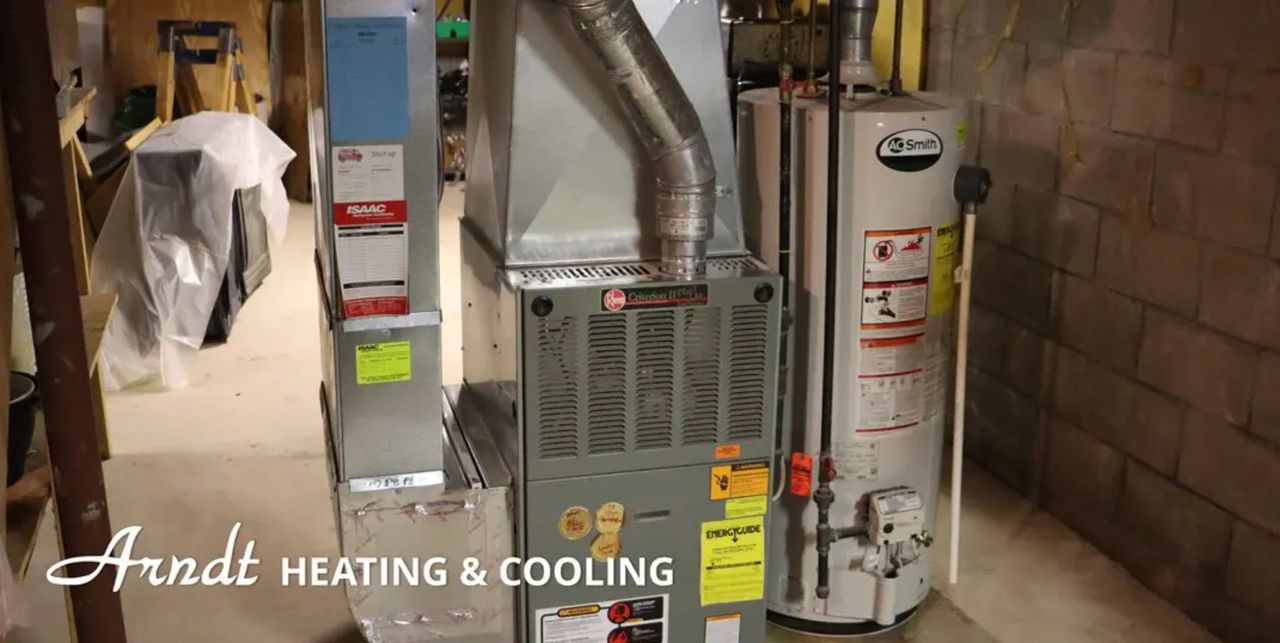
A furnace is a significant investment in any home, providing warmth and comfort during colder months. Understanding its lifespan is crucial for planning maintenance, budgeting for replacement, and ensuring optimal performance. This article delves into the average furnace lifespan, factors influencing it, and tips to maximize its longevity.
Average Lifespan of a Furnace
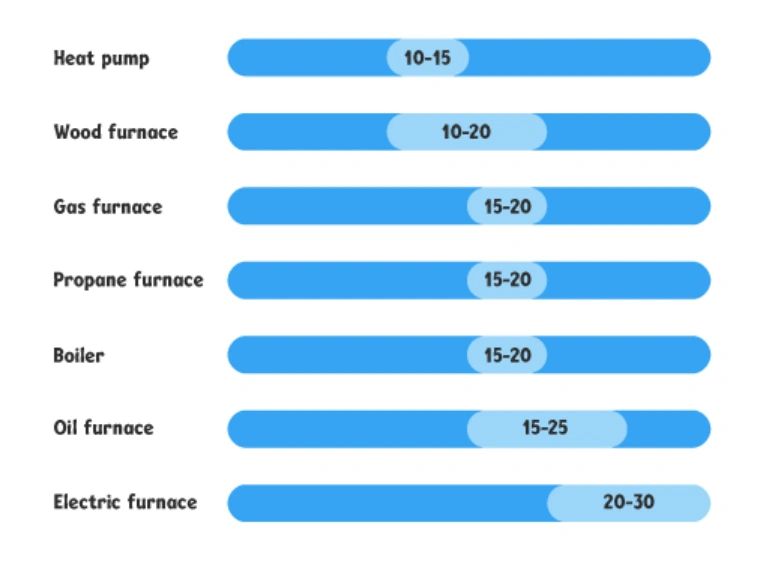
The expected life of a furnace typically ranges between 15 to 20 years. However, depending on the type of furnace, how well it’s maintained and its usage, the lifespan can vary:
- Gas furnaces: 15-20 years
- Electric furnaces: 20-30 years
- Oil furnaces: Around 15-30 years
Proper maintenance can significantly impact these averages. Source
Factors Influencing Furnace Lifespan
Several factors affect how long a furnace will last. Let’s explore these in detail.
Quality of Manufacturing and Installation
The quality of the furnace and its installation process play a vital role in its lifespan. Opting for reputable brands and hiring certified professionals for installation ensures better performance and durability.
Maintenance Practices
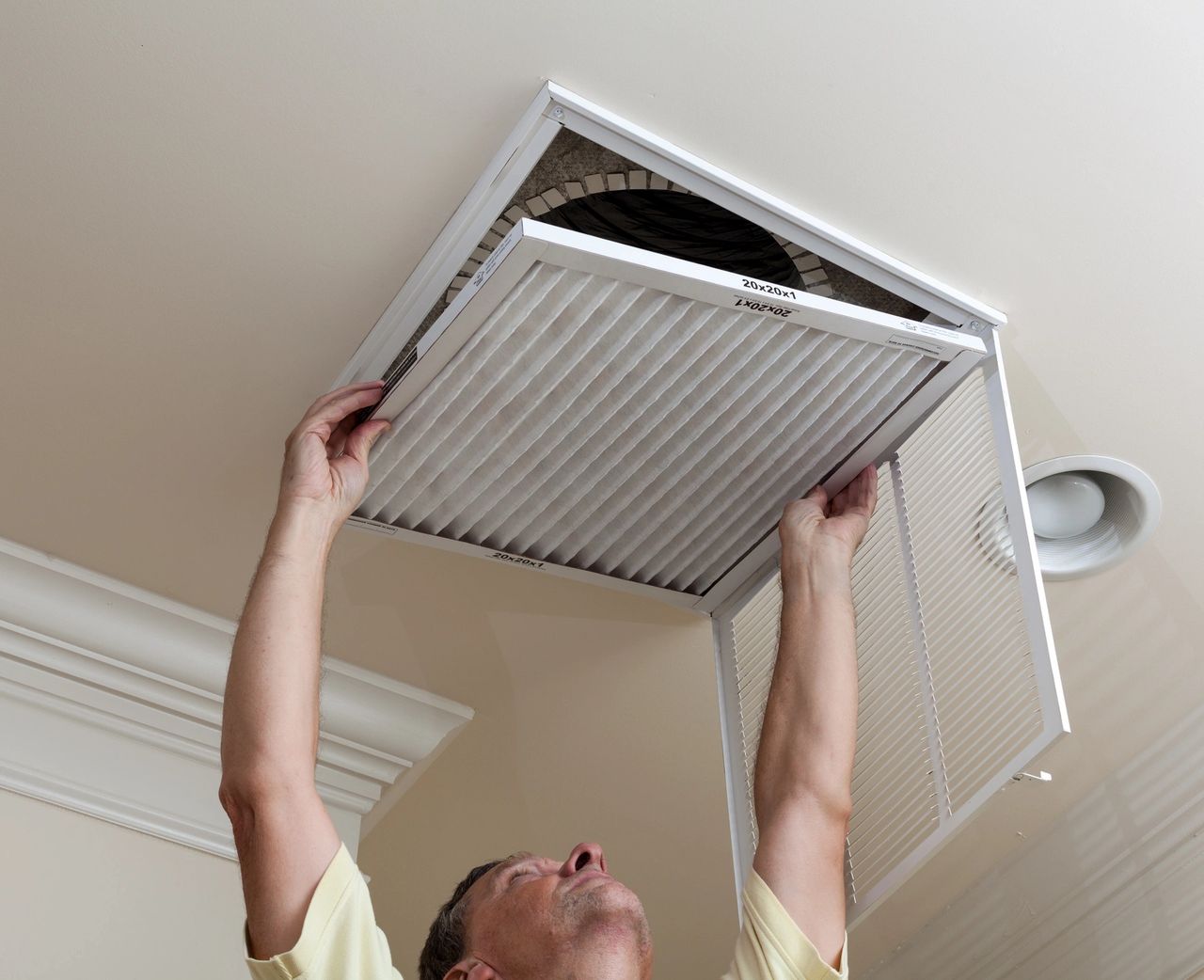
Regular maintenance routines, such as annual inspections and monthly filter changes, are critical for keeping a furnace in peak condition. A well-maintained furnace is less prone to breakdowns and operates efficiently for longer.
Usage Patterns
Frequent use or excessively high thermostat settings can strain the furnace, shortening its lifespan. Conversely, moderate use in a temperate climate can extend its operational years.
Environmental Factors
Dust, humidity, and poor ventilation can adversely affect the furnace’s longevity. Protecting the furnace from these environmental factors helps it perform optimally.

Signs Your Furnace May Need Replacement
Recognizing when your furnace is nearing the end of its lifespan can save you from unexpected breakdowns. Look for these signs:
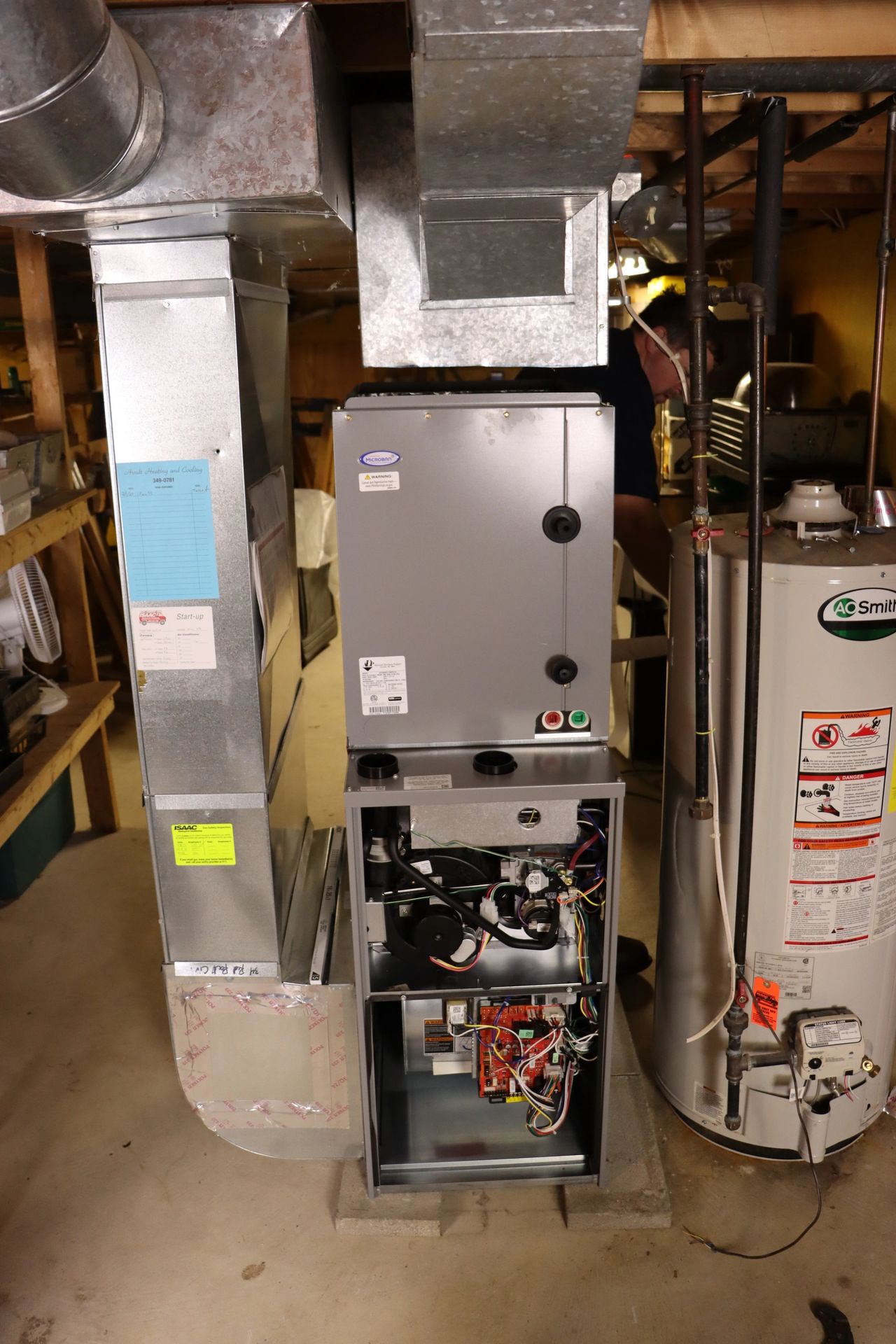
Indicators such as Frequent Repairs, Increased Energy Bills, and Inconsistent Heating
- Frequent repairs:
- Frequent service call to repair more than once or twice a year is a red flag.
- Higher energy bills:
- An older furnace may struggle to heat efficiently, causing energy costs to rise.
- Inconsistent heating:
- If certain rooms are colder than others, your furnace might be failing.
Tips to Extend Furnace Lifespan
Follow these steps to keep your furnace running efficiently:
- Schedule annual maintenance with a professional technician.
- Change filters every 1-3 months.
- Keep vents and ducts clean and unobstructed.
- Use a programmable thermostat to regulate temperatures.
Cost Considerations: Repair vs. Replacement
When faced with a malfunctioning furnace, homeowners often wonder whether to repair or replace. Here are key considerations:
- Repair: Best for furnaces under 10 years old or with minor issues.
- Replacement: Recommended for units over 15 years old or when repair costs exceed 50% of replacement costs.
Energy Efficiency and Technological Advancements
Modern furnaces offer improved energy efficiency and features like smart thermostats. Investing in a newer model can lower utility bills and enhance home comfort.
Environmental Impact and Sustainability
Older furnaces often emit more pollutants and consume more energy. Upgrading to an energy-efficient model reduces your carbon footprint and aligns with sustainable living practices.
Conclusion
Understanding furnace lifespan, maintaining it properly, and knowing when to replace it can save you time, money, and stress. Whether you’re extending its life or exploring new models, informed decisions ensure comfort and efficiency in your home.